Understanding The Connection Between Hormones and Weight
Hormones play a significant role in regulating weight by influencing appetite, metabolism, fat storage, and energy expenditure. Hormone balance is important for maintaining hormones’ optimal functionality in the body. Read on to learn more about specific hormones that influence weight.
Insulin
What is insulin’s role in the body?
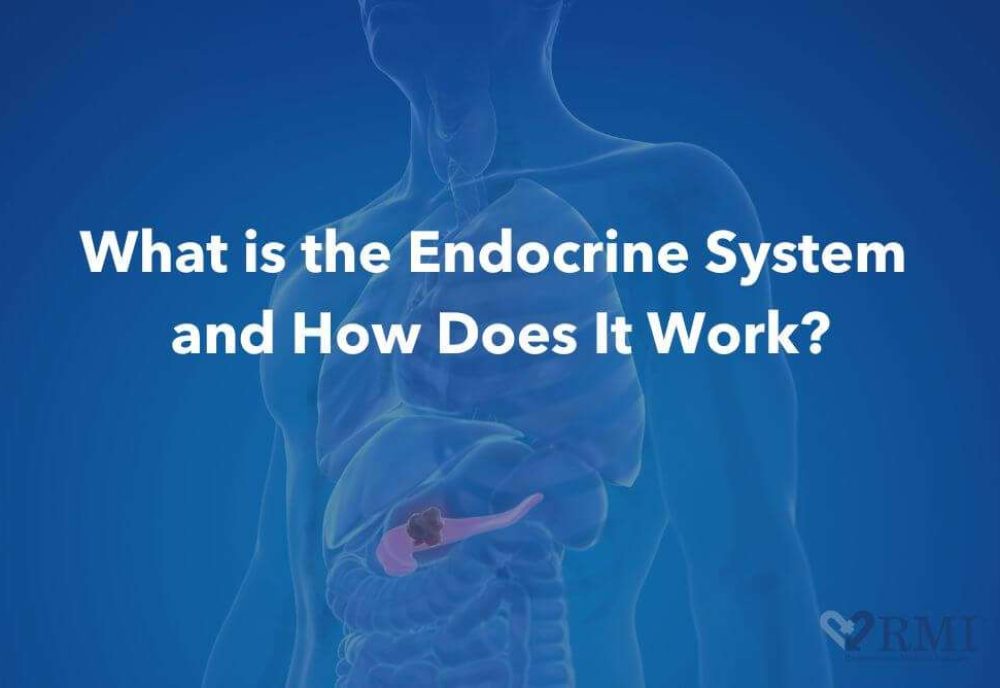
Insulin is a hormone that is produced in the pancreas. It has a number of roles in the body, including:
Regulating Blood Sugar
After eating, carbohydrates are broken down into glucose, which enters the bloodstream. Insulin helps move glucose from the blood into cells (muscle, fat, and liver) to be used for energy or stored for later use. This prevents blood sugar from getting too high (hyperglycemia).
Storing Excess Energy
When cells have enough energy, insulin promotes glucose storage as glycogen in the liver and muscles. If glycogen stores are full, excess glucose is converted into fat for long-term storage.
Supporting Muscle Growth
Insulin helps transport amino acids (protein building blocks) into muscle cells, aiding muscle repair and growth.
Regulating Fat Metabolism
When insulin levels are high (after eating), the body stores fat and reduces fat burning. When insulin levels are low (during fasting or exercise), the body burns stored fat for energy.
Affecting Hunger and Satiety
Insulin interacts with the brain to regulate hunger. Insulin resistance (common in obesity and type 2 diabetes) can disrupt these signals, leading to overeating, fat storage, and weight gain.
Leptin
What is leptin’s role in the body?
Insulin is a hormone that is primarily produced by fat cells. It has a number of roles in the body, including:
Controlling Appetite and Satiety
Leptin is released from fat cells into the bloodstream and signals the brain (specifically the hypothalamus) that the body has enough energy stored. When leptin levels are high, it reduces appetite and increases energy expenditure. When leptin levels are low, it triggers hunger and reduces metabolism to conserve energy.
Regulating Fat Storage and Energy Balance
More body fat = higher leptin levels, signaling the brain to eat less and burn more energy. Less body fat = lower leptin levels, signaling the brain to increase hunger and slow down metabolism to preserve energy.
Influencing Metabolism
Leptin helps maintain a balance between food intake and calorie burning. When leptin function is impaired, the body may store excess fat instead of burning it for energy.
What causes leptin resistance?
In overweight and obese individuals, leptin levels are high, but the brain becomes resistant to its signals. Leptin resistance can be caused by chronic inflammation, excessive sugar and processed food intake, lack of sleep, and high insulin levels.
Ghrelin
What is ghrelin’s role in the body?
Ghrelin is a hormone that is primarily produced by the stomach. It has a number of roles in the body, including:
Stimulating Hunger
Ghrelin is known as the “hunger hormone,” it stimulates appetite and signals the need to eat. Ghrelin is released when the stomach is empty, sending a signal to the hypothalamus (the brain’s hunger center) to increase appetite. Levels rise before meals and fall after eating, helping to regulate meal timing.
Regulating Energy Balance & Metabolism
Besides making you feel hungry, ghrelin helps regulate energy use by influencing metabolism. It promotes fat storage when the body is in a calorie deficit or experiencing prolonged fasting.
Influencing Growth Hormone Release
Ghrelin stimulates the release of growth hormone (GH) from the pituitary gland, which helps with muscle growth, fat metabolism, and tissue repair.
How to Balance Hormones for a Healthy Weight
There are a number of hormones and factors that influence weight, including lifestyle choices and experiences. It’s important to pay attention to your body and contact your doctor if you think you may have imbalanced hormones.
At Regenerative Medical Institute, we specialize in BHRT, also known as bioidentical hormone replacement therapy. This process involves individualized treatment plans to assist patients in hormonal balance and optimal functionality within the body. Visit our website or call our office to schedule a free consultation: 877-573-3737.